이산화티타늄 아나타제형 HA100
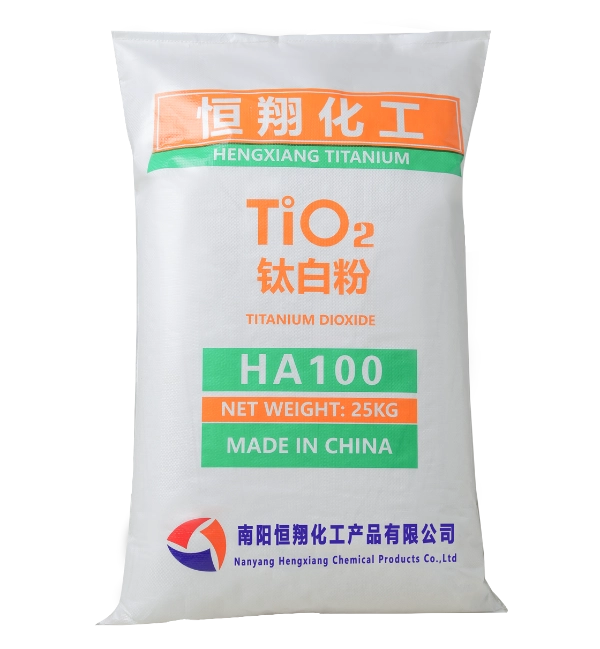
HA-100은 고순도, 미세 입자 분포 및 우수한 성능을 갖춘 아나타제형 이산화티타늄 안료입니다. 강한 은폐력, 뛰어난 백색도와 우수한 분산성을 제공하며, 실내용 벽 코팅, 플라스틱 파이프, 필름, 고무, 가죽, 종이, 티타네이트 에나멜, 도자기 및 마스터배치용 이산화티타늄 응용 분야에 적합합니다.
아나타제 이산화티타늄(Anatase TiO2)은 강한 광촉매 활성, 청색 기운, 안정적인 TiO2 결정구조로 알려진 고성능 티타늄옥사이드입니다. 이러한 TiO2 Anatase의 특성 덕분에 실내 코팅, 플라스틱 배관, 박막, 섬유 및 방사 급 마스터배치, 고무, 식품, 화장품 등 여러 산업의 필수 원료로 사용됩니다.
특히 우수한 자외선 흡수력과 반응성을 갖춘 Anatase TiO2는 공기 정화, 수처리, 자가 세정 소재에 최적입니다. 높은 투명도와 순도, TiO2 결정 구조에서 기인하는 일관된 촉매 성능을 갖춘 당사 티타늄옥사이드 제품은 지속 가능하고 효율적인 시스템 구축을 위한 완벽한 솔루션입니다.
아나타제 이산화티타늄(Anatase TiO2)은 강한 광촉매 활성, 청색 기운, 안정적인 TiO2 결정구조로 알려진 고성능 티타늄옥사이드입니다. 이러한 TiO2 Anatase의 특성 덕분에 실내 코팅, 플라스틱 배관, 박막, 섬유 및 방사 급 마스터배치, 고무, 식품, 화장품 등 여러 산업의 필수 원료로 사용됩니다.
특히 우수한 자외선 흡수력과 반응성을 갖춘 Anatase TiO2는 공기 정화, 수처리, 자가 세정 소재에 최적입니다. 높은 투명도와 순도, TiO2 결정 구조에서 기인하는 일관된 촉매 성능을 갖춘 당사 티타늄옥사이드 제품은 지속 가능하고 효율적인 시스템 구축을 위한 완벽한 솔루션입니다.
HA-100은 고순도, 미세 입자 분포 및 우수한 성능을 갖춘 아나타제형 이산화티타늄 안료입니다. 강한 은폐력, 뛰어난 백색도와 우수한 분산성을 제공하며, 실내용 벽 코팅, 플라스틱 파이프, 필름, 고무, 가죽, 종이, 티타네이트 에나멜, 도자기 및 마스터배치용 이산화티타늄 응용 분야에 적합합니다.
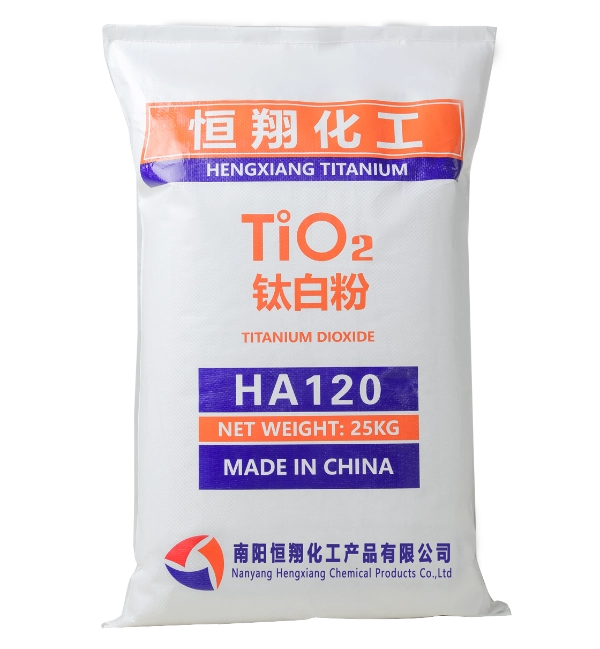
HA-120은 범용 아나타제 TiO₂로, 우수한 백색도와 강력한 은폐력, 광택 및 분산성을 갖추고 있습니다. 낮은 오일 흡수와 뛰어난 내후성을 특징으로 하며, 주로 실내 벽 코팅, 실내용 플라스틱 파이프, 필름, 고무, 가죽, 제지, 티타네이트 제조 및 TiO₂ 마스터배치 응용에 사용됩니다.
Anatase titanium dioxide is a form of TiO₂ known for its lighter and brighter appearance. It has higher brightness but lower weather resistance than rutile, so it is mainly used in indoor products.
Anatase TiO2 is widely used in paper, inks, plastics, rubber, ceramics, and in certain cosmetic, food‑grade, and pharmaceutical‑grade products. It is also used in photocatalytic materials where good whiteness and easy dispersion are important.
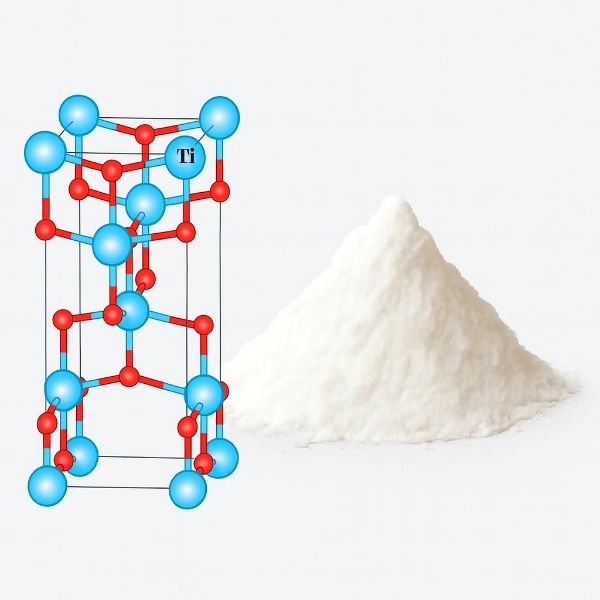
Titanium dioxide comes in several crystal forms, with rutile and anatase being the most common. In both structures, each titanium atom is surrounded by six oxygen atoms, forming TiO₆ octahedra.
The difference between them comes from how these octahedra connect. Rutile has a tighter, more compact arrangement, while anatase has a slightly more open structure.
A third form, brookite, also uses TiO₆ octahedra but is far less common and rarely used commercially. In general, the crystal structure of TiO2 is defined by the way these octahedra link together, which gives each form its own physical and chemical properties.
Anatase titanium dioxide is known for its softer brightness and good dispersibility. It is widely used in textiles as a delustering agent, where it reduces fiber gloss and gives fabrics a more natural appearance.
Outside of textiles, anatase TiO2 is also used in paper, plastics, ceramics, and certain specialty coatings. It is commonly found in food and pharmaceutical products, such as tablets and vitamins, as well as in animal feed, where a mild and uniform whitening effect is needed.
Compared with rutile TiO2, anatase offers a gentler whitening effect, which makes it especially suitable for fibers, consumer products, and applications that require a clean, natural look.
Rutile and anatase are two different crystal forms of titanium dioxide (TiO₂). They share the same chemical composition, but their crystal structures give them distinct properties and uses.
Rutile is the most stable form, with a higher refractive index and stronger UV resistance. These qualities make it the preferred choice for outdoor coatings, plastics, and other applications that demand long‑lasting whiteness and durability.
Anatase, by contrast, is less stable but has excellent dispersibility and unique photocatalytic activity. Because of these traits, anatase is often used in specialized applications such as self‑cleaning surfaces, solar cells, and certain indoor coatings. It has also been the primary crystal form used in food‑grade titanium dioxide (E171) as a coloring agent, though regulations on food use vary by region.
In brief, rutile is valued for stability and durability, while anatase is chosen for its reactivity, dispersibility, and in some cases food coloring applications.